
Sharp pain at the base of your big toe after a hard push-off on the field can sideline more than just your game — it can disrupt your daily stride. Turf toe is one of the most common yet often underestimated foot injuries among athletes and active adults, often dismissed as a minor sprain until it becomes a lingering problem. Understanding the injury, its severity, and the right treatment plan can mean the difference between a quick recovery and months of chronic discomfort.
At Sweeney Foot & Ankle Specialists, Dr. D. Sean Sweeney, DPM, FACFAS, and Dr. Christy Leahey, DPM, FACFAS, bring more than 20 years of combined podiatric expertise to every patient who walks through the door. Voted Best Podiatrist in The Woodlands by Living Magazine every year since 2012, the practice combines advanced technology with compassionate, patient-centered care to get you back on your feet quickly.
What Is Turf Toe?
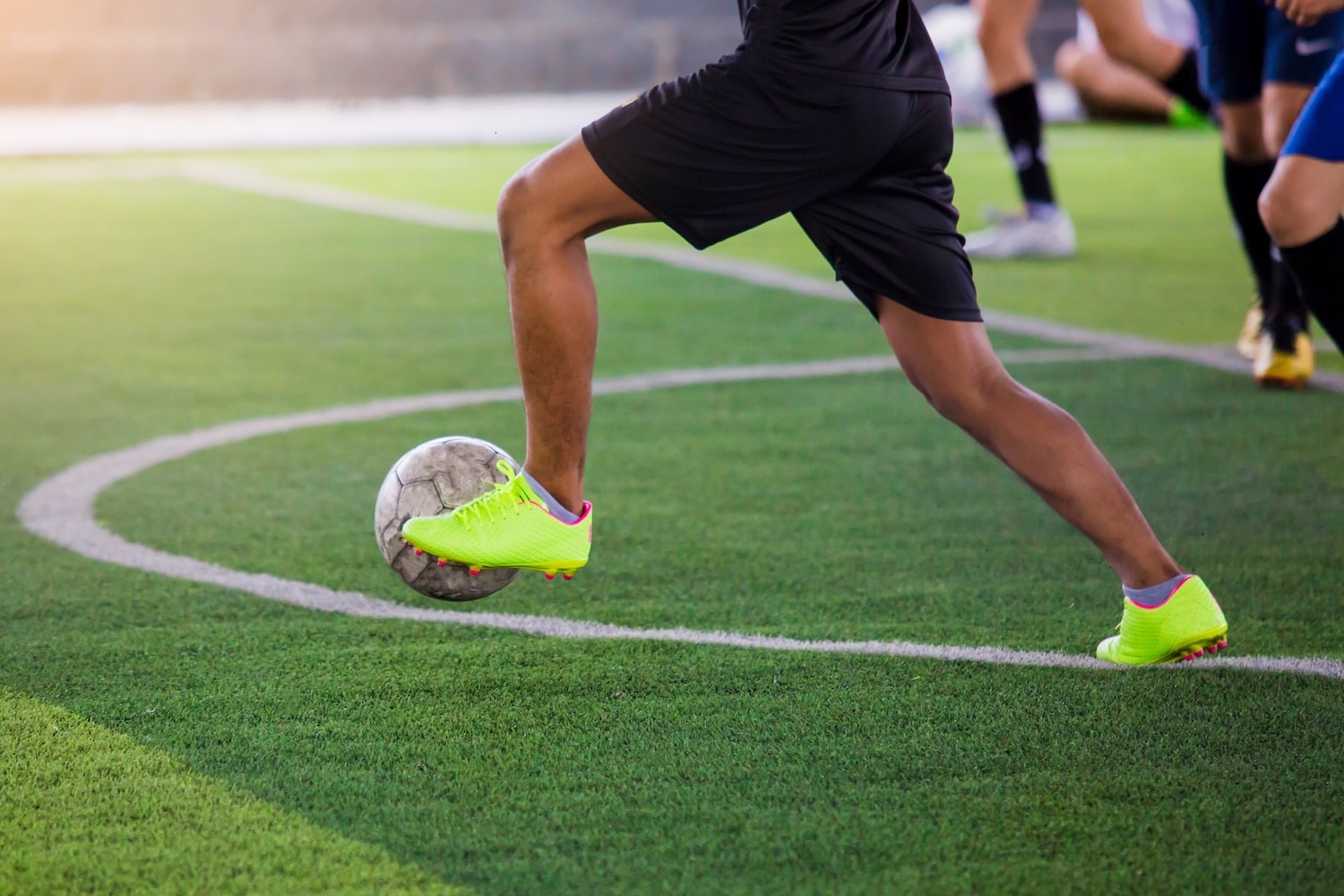
Turf toe is a sprain of the soft tissue structures supporting the big toe joint. The injury is especially common in football, soccer, basketball, field hockey, and lacrosse — sports where athletes push off forcefully against hard or artificial surfaces. Non-athletic causes include changes in shoe gear, limited big-toe motion, and underlying flat-foot conditions.
How Turf Toe Happens
The injury usually occurs through hyperextension of the great toe joint as the heel lifts off the ground. When an external force pushes the toe upward, the supporting ligaments and soft tissue over the joint can stretch, tear, or rupture completely.
Signs and Symptoms
Acute turf toe typically causes pain, tenderness, and swelling around the big toe joint, often with a sudden onset during running or push-off. Many athletes try to play through the pain — but doing so can worsen the injury and significantly extend recovery time.
- Grade I (Mild): Stretched ligaments with minimal swelling and no bruising.
- Grade II (Moderate): Partial ligament tear, restricted motion, swelling, and mild bruising.
- Grade III (Severe): Complete ligament rupture, significant swelling, bruising, and inability to bear weight.
Treatment Options
Treatment is tailored to the severity of your injury. Most cases respond well to the proven “RICE” approach — Rest, Ice, Compression, and Equipment modification, such as stiffer athletic shoes, taping, or custom orthotics to support the toe. Non-steroidal anti-inflammatory medications may help ease pain and reduce swelling.
- Grade I injuries often heal within a few days of rest and strapping.
- Grade II injuries typically require one to two weeks away from sports.
- Grade III injuries may require four to six weeks of recovery and, in severe or chronic cases, surgical reconstruction of the joint capsule, ligaments, or cartilage.
To accelerate healing, the team also offers MLS laser therapy — an FDA-cleared, non-invasive treatment with an 85–90% efficacy rate for pain and inflammation — along with in-office physical therapy and Nano Flex regenerative injections for stubborn cases.
Why Choose Sweeney Foot & Ankle Specialists for Turf Toe Treatment in The Woodlands, TX?
With two convenient offices in The Woodlands and Magnolia, the team blends warm, approachable care with leading-edge technology. Patients benefit from prompt appointments for urgent injuries, in-house physical therapy for seamless recovery, and access to advanced options like MLS laser therapy and Nano Flex stem cell–based injections. Dr. Sweeney and Dr. Leahey personally guide every treatment plan, ensuring that athletes, weekend warriors, and active families receive the precise care they need to return to the activities they love.
Get Back in the Game
Don’t let lingering big toe pain hold you back from the field, the gym, or your everyday routine. The expert team at Sweeney Foot & Ankle Specialists is ready to evaluate your injury and design a personalized recovery plan that restores your strength and mobility. Call The Woodlands office at (281) 292-4944 or the Magnolia office at (281) 789-4956 to schedule your consultation today.