
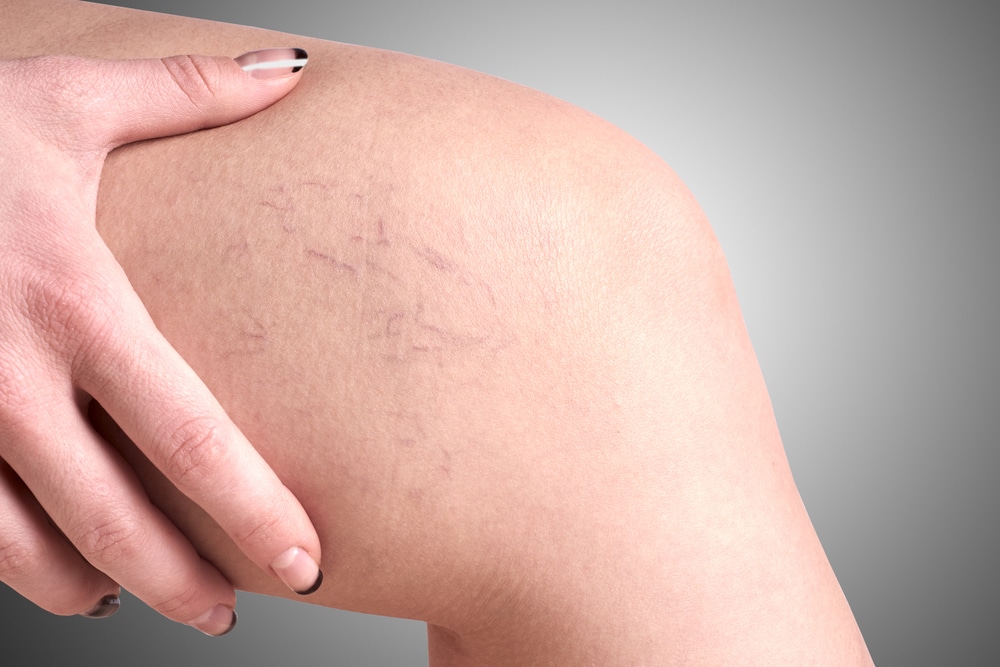
Do your legs feel heavy, tired, or swollen by the end of the day, especially after long hours on your feet? That uncomfortable fullness in your lower legs and ankles could be a sign of venous stasis, a circulation issue that deserves expert attention before it leads to skin changes or painful ulcers.
At Sweeney Foot & Ankle Specialists, Dr. D. Sean Sweeney, DPM, FACFAS, and Dr. Christy Leahey, DPM, FACFAS, bring more than 20 years of trusted podiatric expertise to patients across The Woodlands and Magnolia. Voted Best Podiatrist in The Woodlands by Living Magazine every year since 2012, the practice combines compassionate care with leading-edge technology to keep your feet and legs healthy.
What Is Venous Stasis?
Venous stasis occurs when the veins in your legs lose their ability to efficiently return blood toward the heart. This breakdown in circulation may follow vein injury, superficial phlebitis, or deep venous thrombosis (DVT). In some cases, swelling stems from chronic congestive heart failure or kidney disease, while other times the cause is harder to pinpoint.
Common Signs and Symptoms
Early recognition makes a meaningful difference in treatment outcomes. Patients with venous stasis often notice:
- Edema (swelling) in the legs and ankles, worse with standing
- Aching, heaviness, or fullness that improves with elevation
- Varicose veins that appear enlarged, rope-like, or grape-like
- Reddish-brown skin discoloration known as venous stasis dermatitis
- Open sores or ulcers near the inner ankle in advanced cases
How Venous Stasis Is Diagnosed
Your podiatrist will begin with a thorough physical exam and review of your medical history. To get a clearer picture of how blood is moving through your veins, additional testing may include a venous Doppler ultrasound, which uses sound waves to evaluate blood flow. If a blood clot is suspected, a venogram may be ordered to make the veins visible on X-ray.
Identifying deep vein thrombosis quickly is critical, since an untreated clot can travel to the lungs and cause a life-threatening pulmonary embolism.
Treatment Options
The cornerstone of venous stasis treatment is improving circulation and reducing swelling. Most patients benefit from a combination of:
- Rest and elevation: Raising your feet above heart level helps blood return more easily.
- Compression stockings: Available in knee-high, thigh-high, and pantyhose styles, with compression ranging from over-the-counter 10–20 mmHg up to prescription levels of 30–40 mmHg or higher.
- Diuretic medications: When appropriate, these help reduce fluid buildup and are closely monitored by your provider.
- Wound care: For patients with venous stasis ulcers, advanced wound care, antibiotics, and supportive therapies promote healing.
- MLS laser therapy: Our FDA-cleared MLS laser reduces inflammation and edema while accelerating tissue repair.
If underlying heart or kidney conditions contribute to swelling, your podiatrist will coordinate with your primary physician to ensure comprehensive management.
Why Choose Sweeney Foot & Ankle Specialists for Venous Stasis Treatment in The Woodlands, TX?
Patients across Greater Houston turn to Sweeney Foot & Ankle Specialists because our care blends compassion, integrity, and innovation. Dr. Sweeney and Dr. Leahey, both board-certified by the American College of Foot and Ankle Surgeons, deliver personalized treatment plans grounded in more than two decades of community-trusted experience. Our 14-year streak as Living Magazine’s Best Podiatrist in The Woodlands speaks to the lasting relationships we build with every patient. From custom compression solutions to advanced wound care, your treatment is tailored to your lifestyle and goals.
Take the Next Step Toward Healthier Legs
Venous stasis is a progressive condition, but with timely diagnosis and the right treatment plan, you can ease discomfort, prevent ulcers, and protect your mobility for years to come. The team at Sweeney Foot & Ankle Specialists is ready to help you find relief with proven, patient-centered care.
Schedule your consultation today at our office in The Woodlands at (281) 292-4944 or in Magnolia at (281) 789-4956.